Quick answer
A countersink cuts a conical (tapered) seat so a flat-head screw sits flush; a chamfer cutter bevels a hole edge or workpiece edge; a counterbore cuts a flat-bottomed cylindrical recess (not tapered); a deburring tool removes burrs and sharp edges. They are different tools for different results — this page explains each one.
Comparison table
| Tool | Shape produced | Typical use | Key feature |
|---|---|---|---|
| Countersink | Conical (tapered) seat | Flat-head screws, rivets sit flush | Angle matches screw head (82°, 90°, 100°) |
| Chamfer cutter | Beveled edge / chamfer | Edge breaking, hole edge chamfer | 60°-120° included angle options |
| Counterbore | Flat-bottomed cylindrical recess | Socket-head cap screws, washers | Flat bottom, parallel sides |
| Deburring tool | Removed burr / smooth edge | Deburr holes, edges after machining | Manual or machine mount |
Countersink
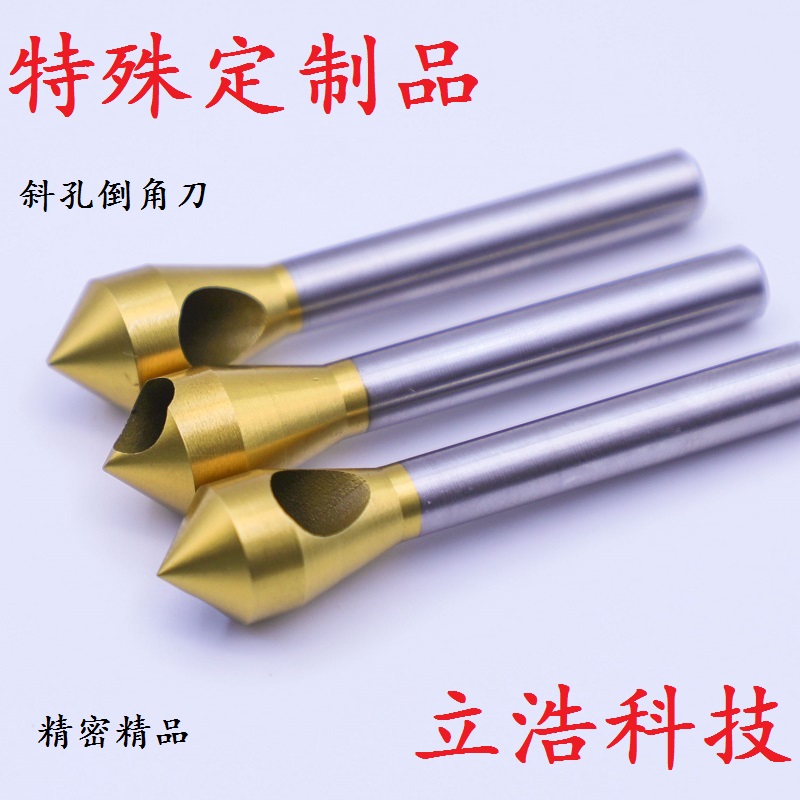
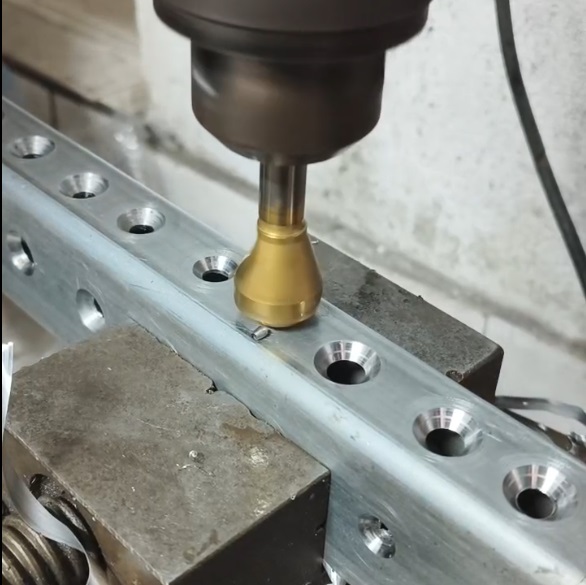
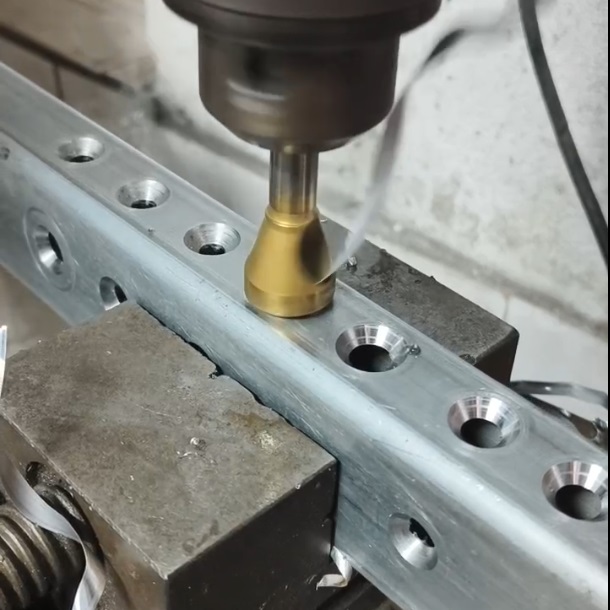
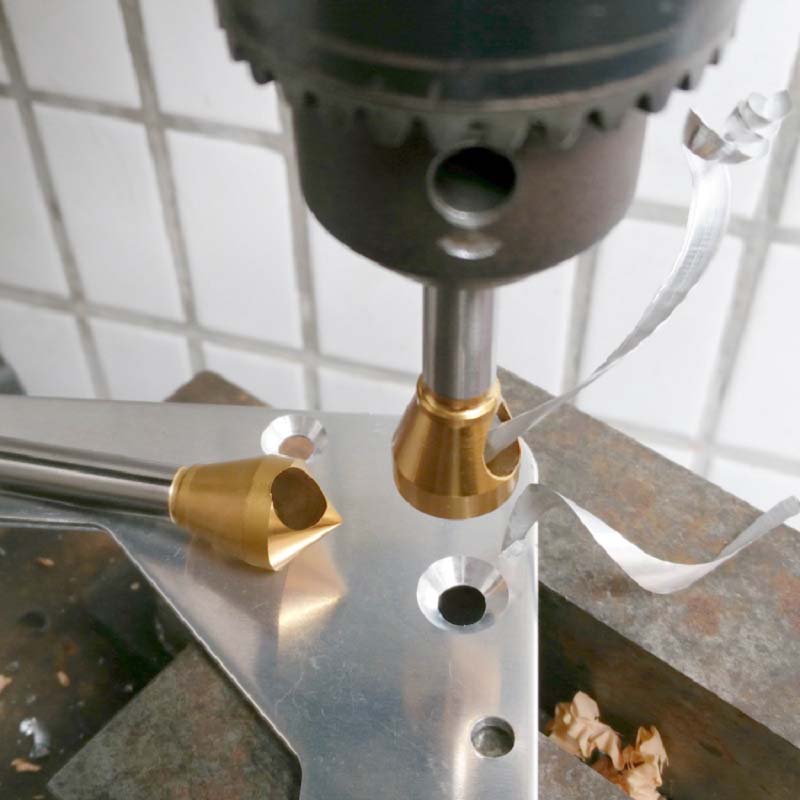
A countersink produces a cone-shaped recess matching the angle of a flat-head screw (82° UNC, 90° ISO/metric, 100° aerospace). The screw head finishes flush with the surface. Lihao Technology offers HSS-E cobalt countersinks in 60° to 120°, single-flute and 3-flute (DIN 335) designs.
Counterbore — not a countersink
A counterbore cuts a flat-bottomed cylindrical recess, not a cone. It is used for socket-head cap screws and washers that need a flat seat and straight walls. Do not confuse it with a countersink: if the hole bottom is flat and the sides are parallel, it is a counterbore.
Chamfer cutter vs countersink
A chamfer cutter bevels an edge (e.g. 45° edge break on a plate, or a chamfered hole mouth). A countersink creates the specific tapered seat for a screw head. Many machining shops use both: chamfer cutters for edge breaking, countersinks for screw seats.
Deburring tool
Deburring tools remove burrs left by drilling and milling — on hole mouths, edges and inside bores. They come in manual (hand-held blade) and machine types. Countersinks and chamfer cutters also remove burr as a side effect, but a dedicated deburring tool is used where no seat or chamfer is required.
How to choose
| Result you need | Tool to use |
|---|---|
| Flat-head screw sits flush | Countersink (82° / 90° / 100°) |
| Socket-head screw with flat seat | Counterbore |
| Break a sharp edge (45°) | Chamfer cutter |
| Remove burrs only | Deburring tool |
Frequently asked questions
What is the difference between a countersink and a counterbore?
A countersink is conical (tapered), a counterbore is cylindrical with a flat bottom. Countersinks suit flat-head screws; counterbores suit socket-head screws and washers.
Can a chamfer cutter be used as a countersink?
Only roughly. A chamfer cutter bevels an edge but does not create the exact screw-head seat angle and depth control of a proper countersink. For screw seats, use a countersink.
What angle countersink do I need?
82° for UNC (inch) screws, 90° for ISO/metric screws, 100° for aerospace (AN/MS). Check your screw head angle and match it.
Does Lihao Technology make all four types?
We manufacture countersinks and chamfer cutters (HSS-E cobalt, DIN 335 3-flute), and offer custom tooling. Counterbores and deburring tools are available through our sales team.